
Why Your Summer Pigmentation Looks Worse — and What You Can Do This Fall
Published on August 21st, 2026
After a summer of sunshine, beach days, patio lunches, and time outdoors, you may notice something else showing up on your skin: more visible dark spots, freckles, and uneven-looking pigmentation.
Even when you have been diligent with sunscreen, months of increased sun exposure can make existing pigmentation appear darker or more noticeable. As we transition from summer into fall, it is a good time to take a closer look at those changes and consider how to care for sun-exposed skin.
Why Does Pigmentation Become More Noticeable After Summer?
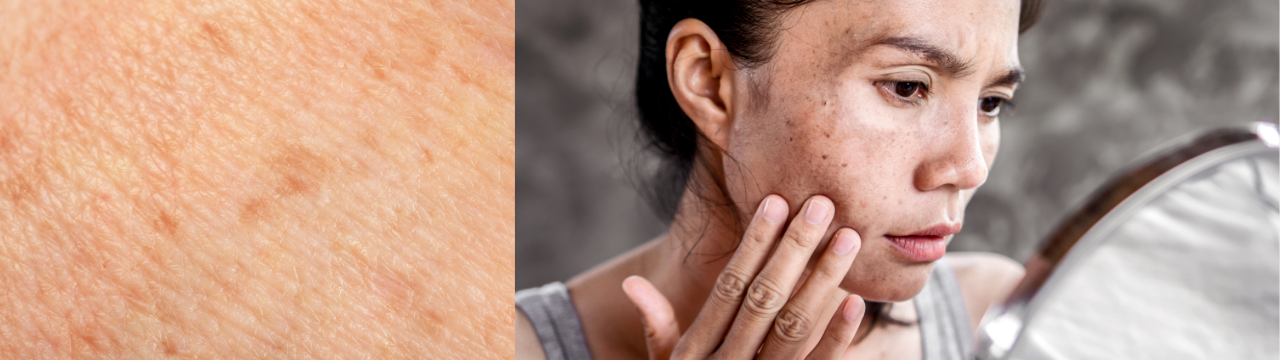
Melanin is the pigment responsible for the colour of our skin, hair, and eyes. When skin is exposed to ultraviolet (UV) radiation, it can increase melanin production as part of its natural response to sun exposure.
This is why you tan — but it is also one reason freckles and areas of pigmentation can become darker after spending more time in the sun.
Over time, repeated UV exposure can contribute to an uneven appearance of skin tone and more noticeable areas of pigmentation, particularly on frequently exposed areas such as the:
- Face
- Forehead
- Cheeks
- Nose
- Décolletage
- Hands
Some pigmentation may gradually fade as summer ends, while other spots can remain visible.
Not All Pigmentation Is the Same
Before treating pigmentation, it is important to understand what may be causing it.
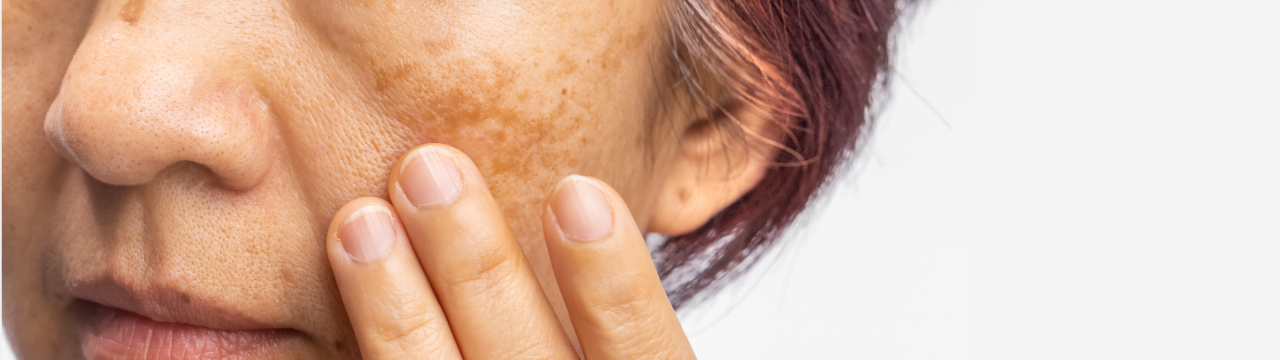
Sun spots are commonly associated with cumulative sun exposure and tend to appear as flat areas of brown pigmentation.
Freckles are often influenced by genetics but can become darker and more noticeable following UV exposure.
Post-inflammatory hyperpigmentation (PIH) can develop after inflammation or injury to the skin, including acne.
Melasma typically appears as patches of brown or grey-brown pigmentation, often on the cheeks, forehead, nose, or upper lip. Sun exposure can make melasma more noticeable, but other factors such as hormones may also contribute.
Because different types of pigmentation can look similar, professional assessment is helpful before deciding on a treatment.
Why Fall Is a Great Time to Focus on Your Skin
Summer isn’t necessarily the end of your skincare journey — it can actually be the beginning of your fall skin reset.
Many laser and light-based treatments require careful sun protection before and after treatment. With shorter days and typically less intense sun exposure, fall and winter can be convenient seasons to begin certain treatment plans.
That doesn’t mean UV protection becomes optional once summer is over. Daily sunscreen remains one of the most important parts of managing the appearance of pigmentation year-round.
Treatment Options for Summer Pigmentation
The right approach depends on your skin, the type of pigmentation present, and your individual goals. At Medical Spa Club, a consultation can help determine which options may be appropriate for you.
BBL Photofacial
BroadBand Light (BBL) uses controlled pulses of light to target visible pigmentation in the skin.
It may be considered for concerns such as the appearance of sun damage, freckles, age spots, and uneven-looking skin tone. Over time, treated areas of pigmentation may darken temporarily before gradually becoming less noticeable.
Because BBL isn’t appropriate for every pigmentation concern or every skin type, assessment before treatment is important.
Laser Genesis
Laser Genesis takes a different approach. Rather than specifically targeting individual brown spots, it gently heats the upper dermis and may help improve the overall appearance and texture of the skin.
It can be considered for concerns such as uneven-looking skin tone, redness, texture, and the overall appearance of the complexion.
Depending on your concerns, your treatment provider may recommend one treatment or a combination approach.
Don’t Forget Your At-Home Skincare
Professional treatments are only one part of caring for pigmentation-prone skin.
A consistent home routine can help support your skin between treatments. Consider focusing on:
- Broad-spectrum sunscreen every day
- Antioxidants such as Vitamin C
- Ingredients such as niacinamide that can support a more even-looking complexion
- Gentle exfoliation when appropriate for your skin
- Adequate hydration and skin-barrier support
- Avoiding unnecessary irritation or aggressive over-exfoliation
If you are using stronger active ingredients, introducing several products at once isn’t always better. A simple, consistent routine that your skin tolerates well can be more beneficial than constantly changing products. However, speaking with a trusted medical aesthetician can help you better understand your skin’s needs and choose products and treatments that are appropriate for your individual concerns.
What About Melasma?
Melasma deserves special attention because treating it is not always as straightforward as treating ordinary sun spots.
Sun and visible light can contribute to melasma becoming more noticeable, and heat may also be a trigger for some people. Certain procedures can potentially aggravate pigmentation in susceptible skin.
For this reason, you should not assume that a treatment appropriate for sun spots will automatically be appropriate for melasma.
If you are unsure whether the pigmentation you are seeing is melasma, sun damage, or another concern, having your skin assessed before beginning treatment is the safer approach.
Your Fall Skin Reset
If your skin looks a little different after summer, you’re certainly not alone. Months of increased sun exposure can reveal pigmentation that was previously less noticeable.
Fall offers an opportunity to reassess your skincare routine, become more consistent with sun protection, and explore professional treatment options if pigmentation is bothering you.
At Medical Spa Club in Richmond, BC, we can assess your skin and discuss treatment and skincare options based on your individual concerns.
Ready to start your fall skin reset? Contact Medical Spa Club to book a consultation and find out which treatment options may be appropriate for your skin.